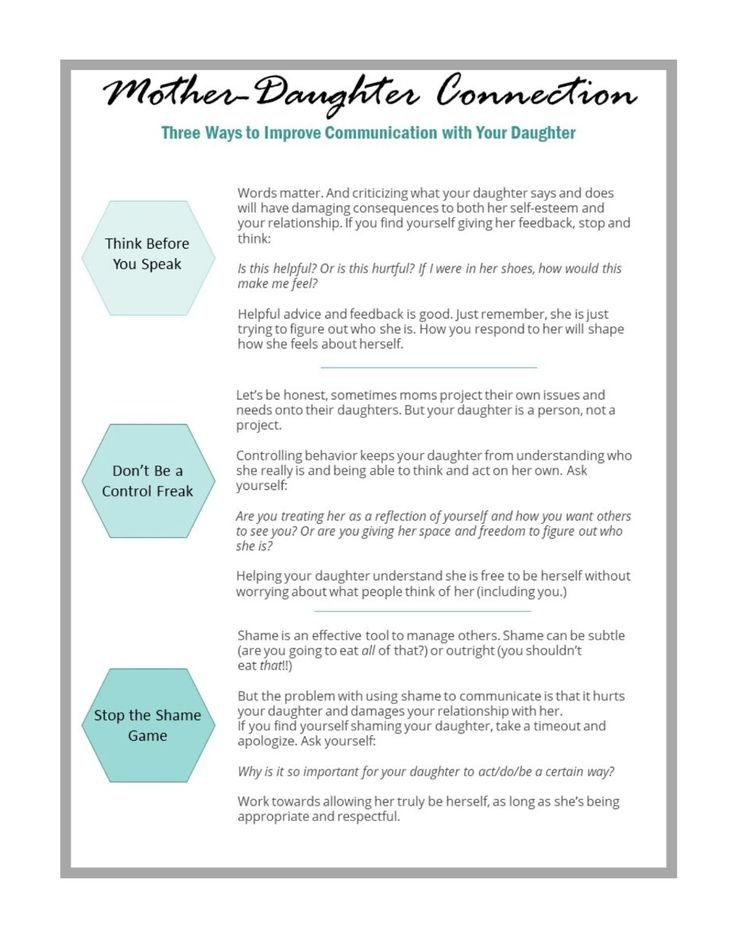
The teenage years and beyond can feel like a minefield for both parents and daughters, especially when it comes to navigating the complex world of relationships. Whether she's dealing with friendships, crushes, romantic interests, or even her relationship with herself, your daughter needs a safe harbor to discuss her experiences, fears, and hopes. Fostering open communication about relationships with your daughter isn't just a nice idea; it's the bedrock for her healthy development, strong decision-making, and a truly lasting bond between you.
It's about creating an environment where she feels seen, heard, and understood, even when the topics are uncomfortable or you don't always see eye-to-eye. This isn't a one-time conversation; it's an ongoing dialogue built on trust, respect, and a genuine desire to connect.
At a glance: Key takeaways for open communication
- Be Present, Not Perfect: Offer genuine, undistracted attention, focusing on quality over quantity of time.
- Build Trust with Small Rituals: Create unique, shared traditions that foster emotional closeness.
- Empower Her Voice: Let her teach you, respect her autonomy, and value her opinions.
- Handle Big Topics in Small Bites: Integrate conversations into everyday life, rather than formal interrogations.
- Practice Vulnerability (Yours & Hers): Share your struggles and create a safe space for her to share hers.
- Listen More Than You Talk: Active listening, empathy, and validation are crucial.
- Set Clear Boundaries with Compassion: Provide security and teach that love isn't conditional.
- Reinforce Openness: Praise honesty and apologize when you make mistakes to model accountability.
- Embrace Imperfection: Your bond will grow through real, messy life, not just perfect moments.
The Foundation: Why Open Communication is Your Superpower as a Parent
Think of open communication as the invisible thread that weaves through every aspect of your relationship with your daughter. When this thread is strong, it provides a sense of security, belonging, and psychological safety. It signals to her, loud and clear, that she is loved unconditionally and that her experiences, especially around something as personal as relationships, matter.
Without this foundation, important conversations become guarded, secrets fester, and misunderstandings can widen into chasms. But with it? You become her trusted confidante, her sounding board, and her guide, helping her navigate everything from playground squabbles to serious romantic dilemmas. This trust, built through consistent and genuine interaction, becomes one of the most powerful tools in your parenting toolkit, empowering her to face the world with confidence.
Building Blocks of a Bond That Lasts (Beyond Just Words)
Open communication isn't solely about the words you exchange; it's about the entire ecosystem of your relationship. Before you can expect her to confide in you about her latest crush or a tricky friendship, you need to cultivate a bond that makes such vulnerability feel natural and safe. This involves consistent presence and intention, focusing on showing up in small, meaningful ways rather than striving for unattainable perfection.
Be All There, Even if Only For a Moment
In our always-on world, genuine, undistracted attention is a rare gift. When your daughter reaches out, whether it’s for a quick chat or to show you something on her phone, offer brief, genuine, and undivided attention. A University of Missouri study indicates that this kind of quality attention, even if brief, significantly boosts a child's security and self-worth. It teaches her that she's important enough to warrant your full focus, reinforcing that her thoughts and feelings are valuable.
Find Small Rituals That Deepen Connection
Shared rituals, no matter how small or quirky, are powerful builders of emotional closeness. Anthropologist Robin Dunbar's research highlights how simple, repetitive acts – like a specific bedtime story routine, a weekly movie night, or even a silly inside joke you share – can foster profound emotional bonds. These aren't just activities; they're anchors of connection, creating shared history and a sense of belonging that makes talking easier when the time comes for deeper subjects.
Let Her Teach You Something (And Mean It)
Children who feel their opinions are valued develop stronger self-esteem and are more likely to seek help when they need it, according to child development experts at Harvard. Grant your daughter the space to be an expert in her own interests, whether it's the latest video game, a trending recipe, or a new social media platform. Ask her questions, listen intently, and let her explain things to you. This simple act of deference signals that you respect her knowledge and her world, making her feel capable and heard.
Tackle Big Conversations in Bite-Sized Chunks
The idea of a formal "big talk" can be daunting for everyone involved. Instead, integrate discussions about important topics – like body image, online safety, or healthy relationships – into everyday activities. Research from the National Institutes of Health suggests that frequent, low-pressure conversations help girls feel safe confiding in parents. Discuss a character's choices in a movie, comment on a news story, or share a relevant anecdote from your own day. These small, organic moments chip away at the awkwardness and normalize difficult subjects.
Laugh at Yourself (And With Her)
Parenting is a masterclass in imperfection. When you own your mistakes and use self-deprecating humor, you give your daughter permission to be imperfect too. This doesn't mean you avoid accountability; it means you model resilience and humanity. A shared laugh, especially at your own expense, can defuse tension, create levity, and remind her that neither of you has to be flawless to be loved and valued.
Respect Her Autonomy in Safe Zones
Allowing your daughter safe choices, whether it’s what outfit to wear to school, what book to read, or which extracurricular to pursue, demonstrates respect for her developing autonomy. University of Melbourne research finds that children with some control over their lives are more resilient and feel a greater sense of agency. This respect extends to her choices in relationships too, within reasonable boundaries. When she feels trusted to make small decisions, she'll feel more confident discussing bigger ones with you.
Show Your Vulnerability (Age-Appropriately)
You don't need to be a stoic superhero. Psychologist Dr. Lisa Damour notes that sharing age-appropriate stories of your own struggles – perhaps a friendship gone awry, a past romantic disappointment, or a time you felt insecure – and how you navigated them helps daughters see parents as real people. This human connection encourages them to discuss their own worries, knowing that you've faced similar challenges and come through.
Make Space for Her Interests (Even If You Don't Get Them)
Your daughter's world is rich with passions, even if they sometimes seem baffling to you. Express curiosity and occasionally engage with her interests, even if you don't fully understand or share them. This could mean sitting with her while she plays a game, asking about her favorite band, or watching a show she loves. This demonstrates acceptance and value for her world, showing her that you care about what brings her joy and excitement.
Set Boundaries With Compassion and Clarity
While autonomy is important, clear, consistent boundaries provide a vital sense of security. Psychologists agree that firm, loving boundaries teach that love isn't conditional on compliance but that there are rules designed to keep everyone safe and thriving. When conflict arises, approach it with empathy, explaining your decisions and reasoning rather than simply issuing commands. This teaches her about respectful limits in all relationships.
Embrace Imperfection (Yours and Hers)
The pursuit of a "perfect" parent-daughter relationship is a mirage. Strong bonds develop amidst the daily messiness of life, not in perfectly curated moments. Acknowledge that you'll both make mistakes, miscommunicate, and stumble. The key is consistent, imperfect presence – showing up, trying again, and extending grace. It's in these moments of real-life interaction that trust truly solidifies.
Mastering the Art of Talking (and Listening!) About Relationships
Even with a strong foundation, the actual act of discussing relationships can be tricky. Effective communication is crucial for a strong, trusting relationship across all ages, despite potential challenges like generational differences. Here’s how to hone those essential skills.
Listen Actively: Be Her Witness, Not Her Judge
Active listening is a cornerstone of deep connection. Give her your full, undistracted attention. Put down your phone, make eye contact (if culturally appropriate and comfortable for her), and genuinely focus on what she's saying. Reflect her words back to her to show understanding: "It sounds like you’re feeling really stressed about that friendship drama. Is that right?" This validation helps her feel heard and encourages her to continue sharing.
Create a Safe Space for Honesty, Without Fear of Judgment
She needs to know she can tell you anything without fear of criticism, lectures, or immediate solutions. Be approachable, non-judgmental, and empathetic. Use phrases like, "I'm here for you no matter what," or "Tell me more, I want to understand." This isn't about condoning every choice, but about creating an initial space for her to unburden herself before moving to guidance or consequences.
Encourage Open Conversations with Genuine Curiosity
Shift away from "yes" or "no" questions. Instead, ask open-ended questions that invite deeper dialogue. Instead of "Did you have a good day?", try "What was the most interesting part of your day?" or "What's on your mind about school/friends/life right now?" Tailor these questions to her interests and current life events to make them feel more relevant and less like an interrogation. This is also a good time to introduce broader discussions about relationship dynamics, like how to navigate different personalities, perhaps even linking to advice like 8 rules for dating my daughter when she's ready for that stage of conversation.
Respect Her Feelings and Opinions, Even if You Disagree
It's tempting to jump in with advice or dismiss her perspective as naive. Resist this urge. Validate her feelings with phrases like, "I understand why you feel that way," or "That sounds really tough." You don't have to agree with her conclusions or choices to respect her right to them. Dismissive comments like "You're overreacting" or "It's not a big deal" can shut down future communication instantly.
Spend Quality Time Together: The Unsung Hero of Communication
Genuine conversation often happens during shared activities, not formal sit-downs. Engage in hobbies together, go for walks, cook, or just run errands. Let her choose the activity sometimes. These natural, relaxed settings remove pressure and create prime opportunities for conversations to emerge organically. The connection fostered during these times is just as important as the content of your discussions.
Celebrate the Small Wins: Reinforce Connection
Notice and acknowledge moments of open communication or heartfelt connection. "I really appreciated you telling me about X," or "It was great just laughing with you earlier." Positive reinforcement for open communication and honesty builds confidence and encourages future sharing. These small celebrations can be as simple as a warm smile or a verbal affirmation.
Avoid Overreacting: Keep the Door Open
If your daughter shares surprising, concerning, or even shocking information, your initial reaction is critical. A calm, thoughtful response, even if you need a moment to compose yourself, prevents her from becoming hesitant to confide in the future. Reacting with anger, fear, or excessive drama can make her regret sharing and build a wall between you. Prioritize keeping the lines of communication open, even when it's difficult.
Adapt to Her Communication Style
While face-to-face interaction is ideal, sometimes your daughter might prefer other methods. Adjust your communication style to suit her comfort. This could mean texting, sending a thoughtful email, or even leaving a note. While encouraging direct interaction, being flexible shows you respect her preferences and makes it easier for her to reach out in the way she feels most comfortable.
Use Positive Reinforcement for Honesty
When she does open up, particularly about something difficult, acknowledge her courage. "Thank you for being so honest with me, I know that wasn't easy," or "I really appreciate you trusting me with this." Praise her for open communication and honesty to build confidence and reinforce that sharing is a positive experience, not one that leads to punishment.
Apologize When Necessary: Model Accountability
You will make mistakes as a parent. You might misunderstand, overreact, or say the wrong thing. When you do, admit it and apologize sincerely. "I'm sorry I interrupted you," or "I realize I reacted too strongly, and that wasn't fair." Apologizing teaches accountability, shows humility, and models that admitting wrong is not a sign of weakness, but a path to stronger relationships.
Navigating the Tricky Bits: Practical Tips for Relationship Talks
Having the skills is one thing; applying them to sticky situations is another. Here’s how to put it into practice when conversations get tough or specific.
When she mentions a crush or potential partner:
Focus on her feelings and safety. "What do you like about them?" "How do they make you feel?" "What's important to you in a relationship?" Instead of immediately grilling her about their intentions or background, empower her to think critically about healthy dynamics and red flags. This builds her awareness and self-protection skills.
When the topic feels too sensitive or embarrassing for her:
Approach indirectly. Talk about relationships in movies, books, or with other family members. Share a story from your own youth where you felt similarly awkward. Sometimes, discussing a hypothetical situation can be less intimidating than directly addressing her personal experience. The goal is to open the door, not force it open.
When you strongly disagree with her choices or opinions about a relationship:
This is where active listening and respectful validation are paramount. "I hear that you feel X about Y. I understand why you might see it that way, and I want to share my perspective on why I have some concerns." Frame your concerns as observations and worries, not judgments. Focus on behaviors and potential consequences rather than criticizing her character or choices directly. This is a chance to guide, not dictate.
How to talk about boundaries in relationships:
Start early. Teach her about personal space, consent, and saying "no" from a young age. When she's older, discuss what healthy boundaries look like in friendships and romantic relationships – how to set them, how to respect others', and what to do if boundaries are crossed. Emphasize that her feelings and comfort are important indicators.
Common Questions You Might Be Asking
It's natural to have doubts and dilemmas when navigating such personal territory. Here are answers to some common parental questions.
"What if she just doesn't want to talk?"
Silence can be frustrating, but it's also a form of communication. Don't force it. Instead, consistently create opportunities for connection without pressure. "I'm always here if you want to chat, no matter what." Leave notes, send a quick text, or just sit near her while she's doing her thing. Model openness by sharing a bit about your own day or thoughts, even if she doesn't respond much. Sometimes, just knowing the door is open is enough. The consistency of your presence matters more than an immediate conversation.
"How do I balance being a parent and a friend?"
This is a classic dilemma. Your primary role is to be her parent, which means providing guidance, setting boundaries, and ensuring her safety and well-being. However, a parent can also be friendly. The key is to understand the distinction: a friend might always agree, but a parent offers wisdom, even when it's hard to hear. You can be warm, empathetic, and share laughs, but you must also be ready to make tough decisions or offer necessary advice. Your goal isn't to be her best friend, but her most trusted ally and protector.
"What if I disagree with her choices in friends or partners?"
Your disagreement needs to be rooted in genuine concern for her well-being, not just your personal preferences. Instead of outright forbidding or criticizing, engage in a conversation about why you're concerned. Focus on observable behaviors, potential risks, and how she feels after interactions with this person. "I've noticed X happens when you're with Y, and it makes me worried about Z. How do you feel about that?" Empower her to reflect on the relationship dynamics and potential impact, rather than just telling her she's wrong. This fosters critical thinking and self-awareness.
The Long Game: Investing in Your Daughter's Future Relationships
Fostering open communication about relationships with your daughter is an ongoing journey, not a destination. It requires patience, empathy, and a willingness to learn and adapt right alongside her. The skills you help her build – expressing herself, listening to others, setting boundaries, understanding healthy dynamics, and seeking support – will serve her far beyond your relationship.
You are equipping her to navigate friendships, romantic partnerships, professional connections, and even her relationship with herself with greater confidence and resilience. Your consistent effort to create a safe, open space is an investment in her future happiness and the strength of the bond you share. It's a testament to your unconditional love, allowing her to grow into an empowered, self-assured individual capable of forging meaningful connections throughout her life. Keep showing up, keep listening, and keep loving her through it all.