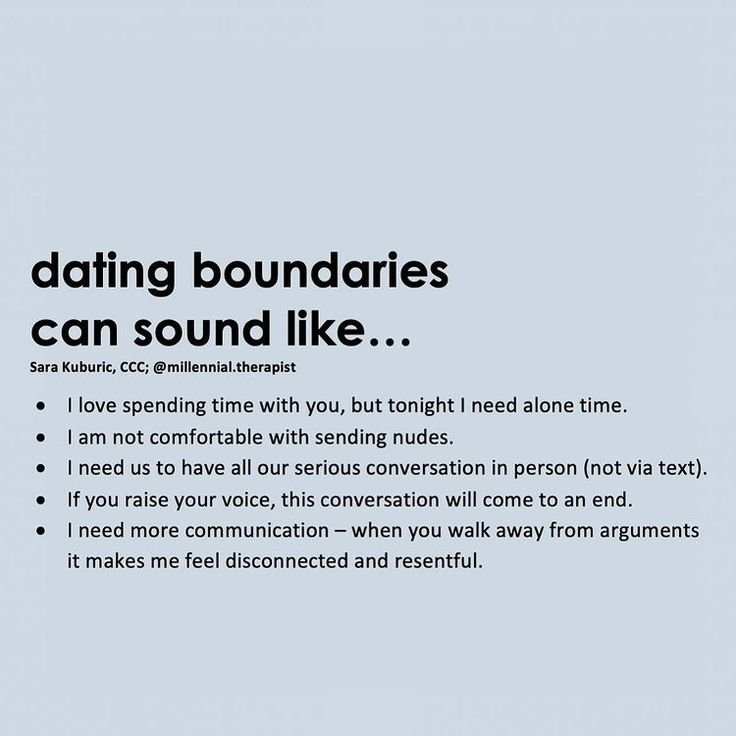
Dating can be a thrilling, vulnerable, and sometimes confusing journey. But imagine navigating it with a clear roadmap, a personal compass that points you toward healthy connections and away from potential heartache. That compass? It’s establishing clear dating boundaries and expectations. These aren't rigid walls designed to keep people out; they're the invisible guardrails that protect your emotional, physical, and mental well-being, ensuring your relationships are built on respect, understanding, and mutual desire. Setting these limits isn't just a good idea—it's foundational to finding joy and authenticity in your dating life.
At a Glance: Your Guide to Healthy Dating Boundaries
- Boundaries are Your Personal Rules: They define what you need, want, and what's acceptable (or not) in a relationship.
- Early is Key: Establish boundaries from your very first interactions to set a respectful tone.
- Self-Reflection First: Understand your non-negotiables before you ever communicate them.
- Honesty & Confidence: Speak your truth, don't hide your needs to please someone else.
- Communicate Clearly: Use "I statements" and be specific about your limits.
- It's an Ongoing Process: Regularly check in with yourself and your partner about comfort levels.
- Red Flags Matter: Pay attention if your boundaries are repeatedly ignored or met with anger.
- Seek Support: Friends and therapists can help you identify, communicate, and maintain healthy limits.
Your Invisible Shield: What Dating Boundaries Really Are and Why They're Crucial
At its heart, a boundary is a limit or a rule you set within a relationship. Think of it as a personal declaration that clarifies your wants, needs, and what you consider acceptable or unacceptable behavior from others. These aren't just abstract ideas; they are concrete lines drawn to safeguard your well-being, allowing you to genuinely enjoy your connections without feeling overwhelmed, disrespected, or violated.
Boundaries are the unsung heroes of healthy relationships. They don't just protect you; they communicate your expectations respectfully, fostering an environment where both individuals can thrive. Without them, you risk feeling resentful, depleted, and constantly trying to guess what the other person wants or needs, often at your own expense.
Beyond the Basics: Different Types of Boundaries
While we often think of boundaries in terms of physical space, they extend far beyond that. In dating, you'll encounter and need to define:
- Emotional Boundaries: These dictate how you engage verbally, how conflicts are handled, and what level of emotional vulnerability you're comfortable with. For instance, are you okay with someone consistently venting all their frustrations to you, or do you need space to process your own emotions?
- Physical/Sexual Boundaries: These are about your body, your personal space, and your comfort levels with physical intimacy. This could range from how you prefer to be touched (or not touched) on a first date, to your comfort with sexual activity, and ensuring consent is always enthusiastic and ongoing.
- Time Usage Boundaries: How much time do you want to spend with a partner? How much alone time do you need? This also covers expectations around punctuality and respecting your schedule.
- Personal Space Boundaries: What's an acceptable proximity for someone to be in? Do you need your own living space or personal items to be respected?
- Conversation Topics Boundaries: Are there certain subjects you're not ready to discuss, or topics that are off-limits due to past trauma or personal discomfort?
The Self-Esteem Connection: How Boundaries Empower You
There's a strong, well-researched correlation between healthy boundaries and healthy self-esteem. When you effectively set and maintain boundaries, you're essentially telling yourself (and others) that your needs, feelings, and limits are valid and deserve respect. This act of self-advocacy can significantly enhance your self-esteem, building confidence and a stronger sense of self-worth. You learn that you are deserving of respectful treatment, and you become less likely to settle for anything less.
Setting the Tone: Why Early Boundaries Are Everything
The moment you begin dating someone, whether it's the very first message or the initial coffee date, you're already communicating boundaries—or a lack thereof. Establishing boundaries in these early stages isn't just strategic; it sets the fundamental tone for the entire relationship. It's like laying the foundation for a house: if it's strong and well-defined, the rest of the structure will be stable. If it's shaky or unclear, you're in for problems down the line.
Your personal language, behavior, and even your unspoken cues during first interactions establish a baseline. Are you quick to agree to things you don't really want to do? Do you let someone dominate the conversation? Do you immediately disclose highly personal information? All these actions signal your boundaries. Remember, boundaries are fundamentally about your personal rules, limits, and choices. Being honest about who you are and what you truly desire from the outset is the most crucial step in establishing genuinely helpful boundaries that serve your best interests.
Your Personal Blueprint: Identifying Your Boundaries
Before you can communicate your boundaries to anyone else, you first need to understand them yourself. This isn't a passive exercise; it requires proactive self-reflection. Don't let societal pressures, past experiences, or the desires of others dictate what's acceptable or unacceptable for you. What feels right for one person might feel completely wrong for another, and that's perfectly okay.
It's helpful to categorize your boundaries mentally: some are flexible, meaning you might occasionally adjust them for the right person or situation. Others are non-negotiable—absolute deal-breakers that you simply won't compromise on, no matter what.
Deep Dive: Self-Reflection Questions to Uncover Your Limits
Take some time with these questions. Be honest with yourself, even if the answers feel uncomfortable or surprising.
- Relationship Type: What kind of relationship are you truly seeking? Casual dating, a serious partnership, or something in between? Being clear on this helps avoid mismatched expectations.
- Absolute Deal-Breakers: What behaviors or traits are immediate no-gos for you? (e.g., Someone who makes sexist jokes, constantly checks their phone during dates, is rude to service staff, uses drugs, or doesn't value financial responsibility).
- Discomfort Triggers: Which behaviors make you feel uneasy or disrespected? (e.g., Flirting with others in front of you, excessive compliments that feel insincere, unsolicited advice, or being touched without permission).
- Communication Style: What level and type of communication do you tolerate or prefer? (e.g., How often do you like to text? Are you a phone call person? What's your expectation for responsiveness?).
- Monogamy & Other Partners: What are your views on non-monogamy, open relationships, or other partners? This is a crucial conversation for many and needs clarity.
- Physical Intimacy & Safety: What are your limits regarding sexual protection, safety, and comfort with physical intimacy? Are you open to first-date sex, or do you prefer to wait? What are your personal rules around consent and safe sex practices?
- Relationship Progression: What are your preferences for meeting locations, frequency of time spent together, and progression steps in a relationship (e.g., meeting family, using relationship labels, moving in together)? Do you have an ideal pace?
Understanding these answers isn't about creating a rigid checklist for potential partners, but about building self-awareness. This clarity empowers you to step into dating with confidence, knowing what you bring to the table and what you need in return.
Speak Your Truth: Honesty and Taking Responsibility
Once you've identified your boundaries, the next step is perhaps the most challenging for many: being honest about them. It's a common trap to hide your true self or needs, hoping to appease someone you're interested in. But let's be clear: this strategy is a dead end. Hiding your authentic self will only hinder your ability to meet your own needs and implement the very boundaries that protect you. You'll end up in a relationship based on a false premise, leading to resentment and disappointment.
Proactively communicate your preferences, dislikes, deal-breakers, and relationship objectives. Don't wait for others to inquire or stumble upon them. For instance, if you're not interested in a casual fling but seeking something serious, say so. If you have a busy work schedule and can only commit to one date a week initially, express that. Taking responsibility for your needs means you lead with them, rather than reacting when they are inevitably unmet. This also means you're prepared for the possibility that some people might not be a match, and that's perfectly fine.
Confidence and Compatibility: Knowing What You Want
Self-awareness coupled with confidence is a powerful combination in dating. It empowers you to engage with others effectively, not just as a passive participant, but as an active agent in shaping your relationships. When you know yourself, you project a certain gravitas, attracting those who value authenticity.
With this confidence, you can prioritize compatibility more effectively. The key questions to ask yourself are: "Are we genuinely compatible? Do we want the same things in life and in a relationship? Do our core values align?" Compatibility isn't about finding someone identical to you; it's about finding someone whose differences complement yours, and whose foundational desires mirror your own. If the answer to these questions is a resounding "no," then be prepared to move on. It’s a brave act of self-respect to recognize when a connection isn't serving you and to seek one that truly does. This is where you understand that sometimes the most loving thing you can do for yourself is to walk away, even when it's hard.
The Art of Articulate Communication: Expressing Your Limits
Identifying your boundaries is one thing; communicating them effectively is another. This is where many people falter, fearing confrontation or rejection. But clear, respectful, and direct communication is the cornerstone of any healthy relationship.
Mastering "I Statements"
One of the most powerful tools in boundary communication is the "I statement." This approach focuses on your thoughts, feelings, and needs, rather than placing blame or making accusations. It shifts the focus from "You did X wrong" to "I feel Y when Z happens."
- Instead of: "Stop texting me all the time; it's annoying."
- Try: "I'm not someone who likes texting all day; I prefer to save conversations for our dates or a phone call. I feel overwhelmed when my phone constantly buzzes."
- Instead of: "You always make plans without asking me."
- Try: "I would appreciate it if we discussed plans together before making firm commitments. I feel respected when my input is considered."
Be Specific and Firm
Vague boundaries are easily ignored. Be as specific as possible about what you need. - Instead of: "I can't stay out late."
- Try: "I can only stay for an hour tonight because I have an early start tomorrow."
- Instead of: "I don't like when you're late."
- Try: "Punctuality is important to me. I need us to arrive on time for our dates."
Foster Honesty and Open Dialogue
Communication is a two-way street. Create a safe space for open dialogue by asking open-ended questions without judgment. When addressing concerns, ensure both parties have the time and mental capacity to engage thoughtfully. Avoid bringing up serious boundary discussions in the middle of a crowded restaurant or when one person is clearly distracted or stressed.
Getting to Know Them: Essential Questions for Your Partner
While you're reflecting on your own boundaries, it's equally important to understand where the other person stands. Asking thoughtful questions helps reveal compatibility and potential boundary conflicts early on. Frame these questions from a place of genuine curiosity, not interrogation.
About Themselves (Beyond the Surface):
- "How do you typically spend your free time?" (Reveals hobbies, social life, introversion/extroversion)
- "What are some of your biggest goals right now, personal or professional?" (Shows ambition, priorities)
- "How do you use social media?" (Crucial for later social media boundaries discussion)
- "Do you lead an active lifestyle or prefer a more relaxed pace?" (Lifestyle compatibility)
- "What are your core life values? What's most important to you?" (Deep compatibility)
About Their Relationship Style (Directly Addressing Expectations): - "What kind of relationship are you looking for right now?" (Directly addresses expectations for casual vs. serious)
- "What does a healthy relationship look like to you?" (Reveals their understanding of partnership dynamics)
- "What are your views on monogamy/non-monogamy?" (Absolutely critical for relationship structure)
- "How do you prefer to communicate in a relationship? (Texts, calls, in-person? Frequency?)" (Addresses communication boundaries)
- "What values do you prioritize in a partner and a relationship?" (More on compatibility)
- "What are your thoughts on marriage/children (if applicable to your goals)?" (Long-term compatibility)
- "What's one important lesson you've learned from a past relationship?" (Shows self-awareness and growth)
- "What's your love language, or how do you prefer to give/receive affection?" (Helps understand emotional needs)
- "What are your relationship deal-breakers?" (Identifies their non-negotiables)
- "How do you define cheating in a relationship?" (Crucial for fidelity boundaries, including micro-cheating)
These questions aren't meant to be fired off like an interview. Weave them naturally into conversation, show genuine interest in their answers, and be prepared to share your own.
Navigating the Digital Landscape: Social Media Boundaries
In the age of Instagram, TikTok, and constant connectivity, social media has become a significant arena for relationship boundaries. What was once a private interaction can now be broadcast to hundreds, or thousands, impacting how you feel seen, valued, and respected. Discussing social media usage early in a relationship is a non-negotiable step.
Key Social Media Boundary Considerations:
- Acceptable vs. Unacceptable Behavior: What do you consider appropriate online behavior with others while in a relationship?
- Phone Use During Dates: How much phone use is acceptable during quality time together?
- Posting About the Relationship: Are you comfortable with your partner posting pictures or details about your relationship? Do you want to be asked first?
- Sharing Suggestive Pictures: How do you feel about your partner sharing suggestive pictures of themselves or others online?
- Defining Online Cheating/Micro-cheating: This is a big one. What constitutes online infidelity for you?
- Flirting: Is it okay for them to flirt with others via DMs or comments?
- Suggestive Messages/Emojis: What about sending or receiving suggestive messages or emojis?
- Liking Specific Pictures: Is liking certain types of provocative pictures crossing a line?
- Following Certain Accounts: Do you have concerns about them following accounts that promote content you deem inappropriate for someone in a relationship? (e.g., adult content creators, past romantic interests).
Essential Social Media Advice:
Clearly state your limits. For example, you might say, "I'm not comfortable with my picture being posted online without my permission," or "I'd prefer that during our dates, we put our phones away so we can be present with each other."
It's also crucial to accept that individuals have the right to use social media ethically and legally. If a partner's usage fundamentally conflicts with your values (e.g., they actively maintain an OnlyFans account and you are monogamous, or they consistently engage in behavior you define as micro-cheating despite discussions), it may be more effective to recognize incompatibility and seek a different partner than to attempt to change their core behavior or values. Trying to control someone's ethical and legal online activity can lead to resentment and a breakdown of trust. You might want to consider some rules for dating in general, not just online interactions.
The Ongoing Dance: Maintaining Your Boundaries
Boundary setting isn't a one-and-done conversation. It's a continuous, dynamic process that requires consistent assessment and communication throughout the relationship. As you grow and the relationship evolves, your comfort levels might shift, and new situations will inevitably arise where boundaries need to be revisited or reinforced.
Consistent Self-Assessment:
Regularly check in with yourself.
- Comfort Level: Are you comfortable with the current dynamics of the relationship?
- On the Same Page: Do you feel you and your partner are still aligned on expectations?
- Desired Direction: What is your desired direction for the relationship? Is it still moving in a way that aligns with your needs?
- Protective Actions: What actions can you take right now to protect your boundaries and simultaneously respect theirs?
What to Do When a Boundary Is Crossed
It's inevitable that a boundary will be crossed at some point—sometimes accidentally, sometimes deliberately. When this happens, it's vital to address it. Again, focus on your feelings and needs using "I statements." - "When you did [specific action], I felt [feeling] because [reason]. In the future, I need [desired action/boundary]."
- "I know you might not have meant to, but when you stayed out past the time we agreed, I felt worried and disrespected. For me, punctuality and clear communication about changes are important."
This approach invites dialogue rather than defensiveness, giving your partner an opportunity to understand and adjust their behavior.
Building Your Boundary Muscle: Practice and Support
Advocating for yourself is a skill, and like any skill, it improves with practice. The more you integrate opportunities to speak up for your needs in daily life—whether it's with friends, family, or colleagues—the more confidence you'll build for those crucial dating conversations. Start small, perhaps by saying "no" to a minor request you're not enthusiastic about, or expressing a preference for a restaurant choice.
The Power of Your Inner Circle:
Maintaining close friendships is an invaluable resource. Friends offer an external perspective, reinforcing your boundaries and helping you identify issues you might overlook due to emotional excitement or infatuation. They can be your reality check, reminding you of your worth and what you truly deserve.
Professional Guidance: Therapy
If you find yourself consistently struggling to identify your limits, build confidence, or communicate effectively, don't hesitate to seek professional help. A trained therapist can provide personalized strategies, assist you in understanding the roots of your boundary challenges, and equip you with the communication skills needed to set and enforce boundaries effectively. Online therapy platforms offer a convenient and highly effective alternative for accessing this crucial support, making it more accessible than ever.
When Lines Are Crossed: Recognizing Red Flags
Not all boundary challenges are innocent mistakes. Some indicate deeper issues, incompatibility, or even concerning patterns of behavior. It’s crucial to recognize these red flags and trust your intuition. If you consistently encounter any of the following, it's a clear signal to re-evaluate the relationship:
- Anger or Retaliation: They get angry, defensive, or lash out when you set or try to enforce a boundary. Healthy partners listen and try to understand.
- Repeated Violations: They repeatedly cross your boundaries, despite you clearly communicating them. This shows a lack of respect for you and your needs.
- Attempting to Talk You Out of It: They try to persuade you that your boundaries are unreasonable, unnecessary, or that you're "too sensitive." This is a manipulative tactic.
- Controlling Behaviors: They exhibit controlling tendencies, trying to dictate what you wear, who you see, or how you spend your time.
- Fear to Communicate: You feel afraid to communicate openly with the person, fearing their reaction or judgment. This is a significant indicator of an unhealthy dynamic.
- Self-Doubt: You're made to question yourself, your needs, or your intuition. This is often a sign of gaslighting or emotional manipulation.
- Negative Feelings Post-Interaction: You consistently leave interactions feeling sad, uncomfortable, unheard, or violated. Your feelings are valid and should not be ignored.
These signs can indicate fundamental incompatibility or, in more serious cases, potential abuse. Your well-being is paramount, and recognizing these red flags early can save you from significant emotional harm.
Your Path Forward: A Call to Confident Connection
Establishing clear dating boundaries and expectations isn't about creating barriers; it's about building bridges to healthier, more fulfilling connections. It's an act of profound self-respect and a blueprint for relationships grounded in mutual understanding and trust.
Take the time to understand your own needs, articulate them with clarity and confidence, and be observant of how others respond. This process empowers you to filter out what doesn't serve you and to welcome connections that truly honor your authentic self. The dating world can be complex, but armed with self-awareness and the courage to communicate your boundaries, you're well-equipped to navigate it toward the respectful, joyful relationships you deserve.